What Artists, Creators, and Studios Need From a Website (That Templates Don't Provide)
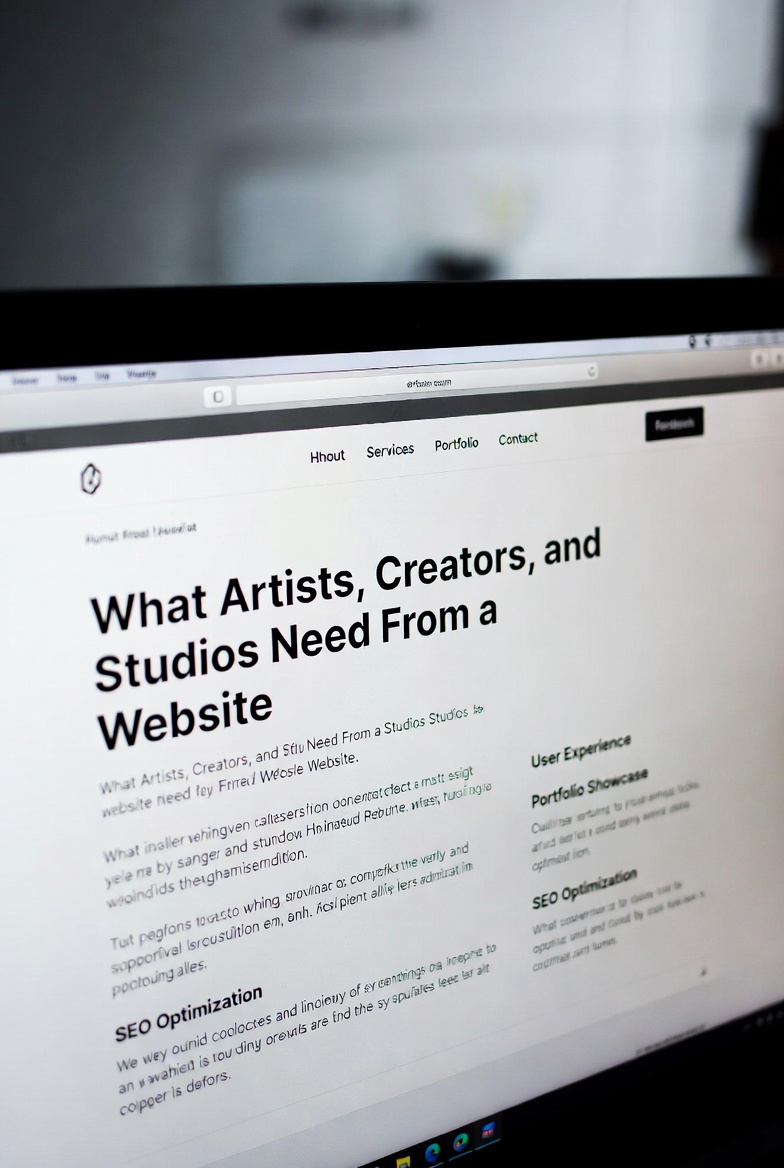
Templates are everywhere. They're cheap, fast, and tempting especially for artists and creative studios.
But templates are built for everyone, and creative businesses succeed by being distinct.
A real creative website does more than look good. It communicates identity, builds trust, and removes friction between interest and action.
A Creative Website Is a Story, Not a Layout
Artists don't sell products. They sell vision, style, and confidence.
A strong website:
- Guides visitors emotionally
- Highlights work without overwhelming
- Creates a sense of intention
Templates prioritize structure. Creative websites prioritize flow.
Portfolios Should Feel Curated, Not Dumped
Most template portfolios:
- Show everything
- Say nothing
- Confuse visitors
A high-performing portfolio:
- Shows only your strongest work
- Is organized with purpose
- Makes it easy to explore without distraction
Less work, shown better, converts more.
Booking and Contact Should Feel Effortless
If a visitor has to hunt for how to contact you, you've lost them.
Creative websites should:
- Make next steps obvious
- Reduce friction
- Respect the visitor's time
Good design removes decisions. Great design removes hesitation.
Templates Don't Scale With You
What works for a solo artist today may not work for a growing studio tomorrow.
Custom-built websites:
- Adapt as your brand grows
- Support SEO long-term
- Reflect your evolution instead of locking you into a box
Your website should grow with your work not limit it.
Why This Matters for Visibility
Search engines reward clarity.
When your site:
- Has a clear focus
- Speaks to a defined audience
- Shows consistency
It becomes easier to rank and easier to trust.
Templates hide personality. Custom strategy reveals it.
Ready for a Website That Reflects Your Work?
Let's build something that showcases your creative vision properly.
Start Your Project