Snowbird Season Is Coming: Get Your Treasure Coast Website Ready Before October
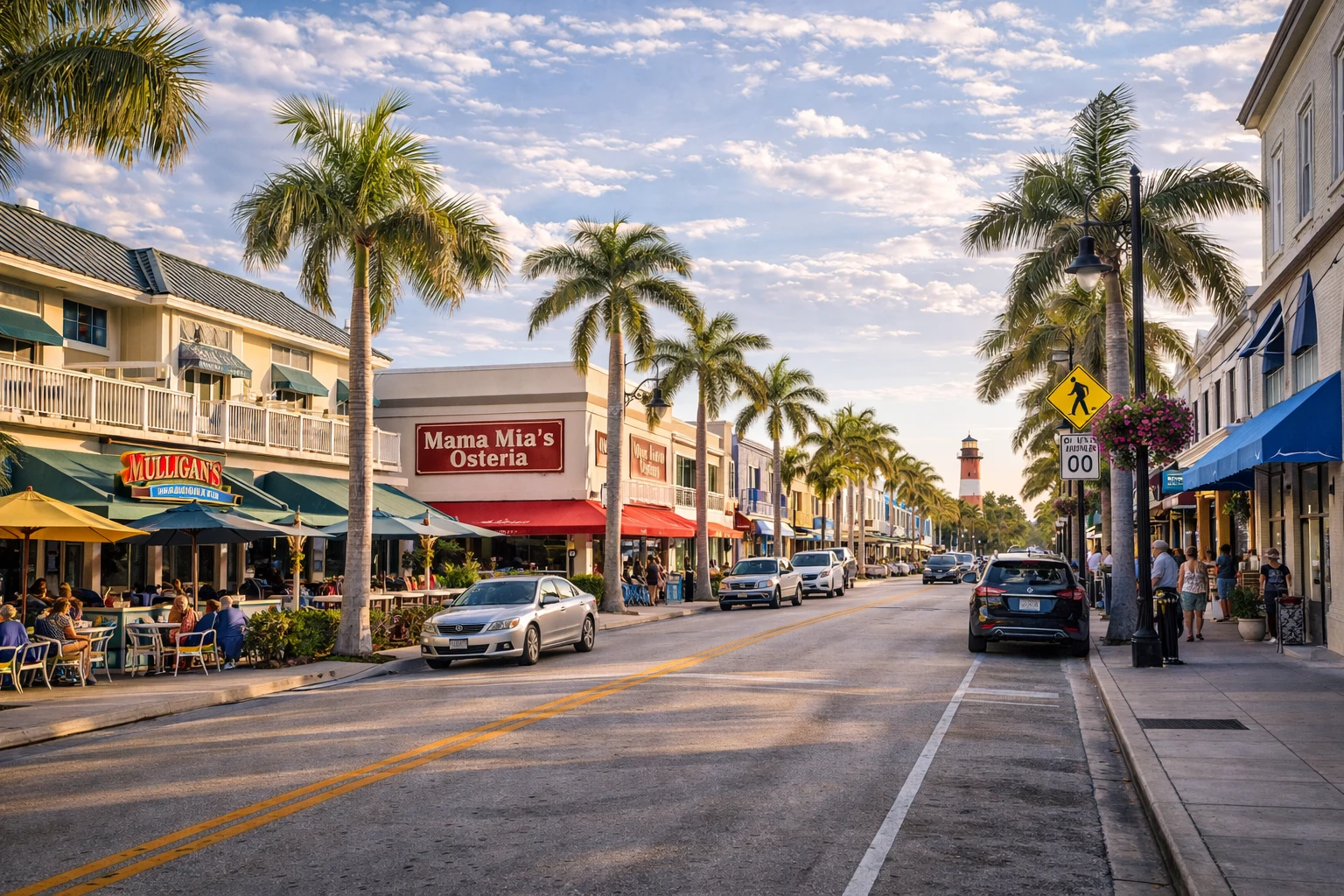
Every October, the Treasure Coast's population starts to swell. By January, the roads are fuller, the restaurants are packed, and every service business is running at capacity. That wave is worth months of revenue, and where it lands is decided largely on Google, weeks before the first snowbird unpacks.
We work with businesses across Port St. Lucie, Stuart, Jensen Beach, and Vero Beach, and the seasonal pattern is remarkably consistent. From late October through April, seasonal residents return to the Treasure Coast, with January and February as the peak. Restaurants, medical practices, home services, salons, marinas, and shops all feel it. The businesses that capture that demand share one trait: their online presence was ready before the season started, not fixed in the middle of it.
Why Snowbirds Are the Ultimate Google Customers
Here's what makes seasonal residents different from year-round locals: they don't have a guy for anything. Their plumber, dentist, hairdresser, and favorite Friday restaurant are all up north. When they arrive, they rebuild their entire local roster from scratch, and they do it the same way every time: they search Google, read reviews, look at photos, and pick.
A returning seasonal resident is also a high-value customer. They tend to be established, they'll come back every year for a decade if you treat them well, and they refer the friends who winter down the street. Winning one snowbird household in November often means winning their whole social circle by March.
That's why the map pack matters so much from October through April. When someone who's been in town for three days searches "dentist near me" or "best happy hour Jensen Beach," there's no loyalty to overcome. Whoever shows up first with strong reviews and real photos gets the visit. Our local SEO campaigns are built around exactly this moment.
The Timing Trap Most Businesses Fall Into
The most common mistake we see: businesses start thinking about their website and Google presence in November, after the season has clearly begun. But SEO doesn't work on that clock. Map pack movement typically takes 60 to 90 days even in lighter competition, which means work started in November delivers results in February, when a third of the season is already gone.
The businesses that dominate January started in August. If your rankings, reviews, and website speed are where they need to be by October 1, you ride the entire wave. Start the same work in December and you've paid the same price for half the season. We explain the realistic timelines in how long does SEO take.
The Pre-Season Website Checklist
Here's what we run through with clients every August and September:
- Update your Google Business Profile completely. Seasonal hours, current menu or service list, holiday schedules, and fresh photos. Profiles that look maintained get chosen; profiles with photos from three years ago don't. Our GBP optimization guide covers every field.
- Stock your review pipeline now. Reviews are one of the strongest local ranking factors, and they take months to accumulate. Ask every happy summer customer for a review so your count and recency look strong when the wave arrives. Never buy or incentivize reviews; Google actively penalizes it.
- Test your site speed on a phone. Snowbirds search from phones, often on unfamiliar networks. If your site takes four seconds to load, they're already looking at the next result. Page speed also directly affects rankings through Core Web Vitals.
- Make your prices and hours findable in two taps. New arrivals comparison-shop. Businesses that hide basic information lose to businesses that don't.
- Refresh your photos before the rush. Real, current images of your space, team, and work. This is when a professional photo set pays for itself fastest, because thousands of first-time customers are about to judge you by it.
- Add seasonal content with actual substance. A restaurant's "back for the season" menu page, a marina's winter storage info, a med spa's new-patient page. Content that answers what returning residents actually search for.
- Check that your booking or contact flow works. Every January we find businesses losing leads to a broken form nobody tested since spring. Test it, then test it from a phone.
- Plan your Google posts for the season. Weekly updates through the season keep your profile active, and active profiles get preferred placement in a market where most competitors post nothing.
Which Industries Feel It Most
Restaurants and bars see the most obvious surge, but the deeper opportunities are in services. Medical and dental practices fill their books with seasonal patients who need a local provider for six months. Home services (AC, pool care, handyman, pest control) get called the week houses reopen. Salons, barbers, and med spas inherit standing appointments that lapsed in May. Marine businesses get boats recommissioned. Golf shops, fitness studios, and boutiques all see their best quarters.
If you're in any of these categories and you're not visible in the map pack by October, you're donating those customers to whoever is. Our restaurant and bar breakdown shows what that looks like in practice for hospitality.
Don't Forget the Goodbye
One more pattern worth money: the end of season matters too. In April, departing residents book next year's rentals, schedule pre-departure services, and decide which businesses earned a permanent spot in their phone. A simple "see you in the fall" email or Google post, plus making sure your site stays fast and your profile stays active over the summer, keeps you the default choice when they return. Seasonal businesses that go dark online from May to September start every season from zero.
Want to Be Ready Before the Season Starts?
We'll audit your website speed, Google Business Profile, reviews, and rankings for free, and give you a plain-English list of what to fix before October. The businesses that win January start now.
Get a free pre-season audit